Indonesian Text to Speech
Convert text to natural Bahasa Indonesia speech — 80+ AI voices, free MP3.
80+ Indonesian Neural & HD Voices — Schwa, Reduplication & Open Syllables
Generate natural Bahasa Indonesia speech that reaches 270 million speakers across Indonesia, Singapore, and the wider Malay-speaking world. The voice library covers two quality tiers: Neural Pro voices like Gadis (female, warm presenter) and Ardi (male, authoritative newsreader), plus studio-grade HD voices — Achernar ID and Achird ID — built for audiobook narration and broadcast work. Every speaker follows KBBI-standard pronunciation, handles the schwa distinction in words like goreng, and reads reduplication pairs such as anak-anak with correct intonation.
Bahasa Indonesia uses the Latin alphabet and has no tones, so the text you paste is the text you hear — no romanisation step, no diacritics. The engine processes prefixed and suffixed forms (me-, ber-, -kan, -i) as single words, keeping stress on the root. Useful for Indonesian voiceover, YouTube content targeting Southeast Asia, BIPA learning materials, and corporate presentations in formal register. First 1,000 characters free — paste your text above and press Convert to Speech.
- 80+ native voices — Neural PRO & HD
- KBBI-standard pronunciation
- Adjustable speed & pitch
- Download MP3, WAV, FLAC, OGG
- Free — 1,000 chars, no signup
Bahasa Indonesia Voice Samples — Click to Preview
Click to preview · 80+ Indonesian voices total
These are 4 featured speakers. Browse all 80+ on the voices page — filter by id-ID.
Indonesian Pronunciation — Selamat Pagi, Terima Kasih & Nasi Goreng
Hear how each phrase sounds with a native Indonesian speaker. Click play to listen.
What Makes Indonesian Pronunciation Distinctive
- Schwa vs full E — Indonesian has two e sounds: the reduced schwa /ə/ in bermain and goreng, and the full /e/ in teh and enak. The spelling is identical, but native voices read each one correctly based on the word.
- Reduplication — plurals and emphasis form by doubling: anak-anak (children), jalan-jalan (strolling), buku-buku (books). The engine treats the hyphenated pair as one unit with a single intonation arc.
- Open syllables — most syllables end in a vowel, giving Indonesian its characteristic even rhythm. Consonant clusters at the end of a word are rare, which makes the language sound smooth and clearly articulated in speech output.
Indonesian Text — Formatting & Conventions
Small formatting choices in your source text change how it sounds aloud. Four conventions worth knowing:
Numbers
1.500 → "seribu lima ratus" — Indonesian uses a dot as the thousands separator and a comma for decimals (opposite of English). Write Rp 1.500.000 and the voice reads "satu juta lima ratus ribu rupiah" naturally.
Currency
Rp 50.000 → "lima puluh ribu rupiah". Indonesian currency uses large denominations, so the engine handles six-digit numbers without stumbling. Dollar amounts like $4.99 read as "empat dolar sembilan puluh sembilan sen".
Dates & Time
15 April 2026 → "lima belas April dua ribu dua puluh enam" (day-month-year order, same as most non-US formats). Time: 14:30 reads as "pukul empat belas tiga puluh" or "setengah tiga sore" in casual speech.
Affixation
jalan → berjalan → menjalankan → perjalanan — Indonesian builds words through prefixes and suffixes. The voice stresses the root correctly across all derived forms, so menjalankan keeps its emphasis on jalan.
When to Use Indonesian TTS
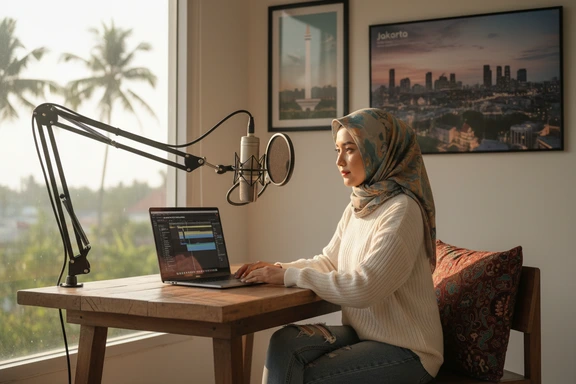
Content Creation & Voiceover
Add an Indonesian voice to YouTube videos, TikTok clips, and Instagram Reels targeting the 204-million-strong internet audience in Indonesia. Pick a warm presenter like Gadis for casual vlogs or switch to the HD studio tier for documentary narration. Export your file and drop it into Premiere, DaVinci, or CapCut.
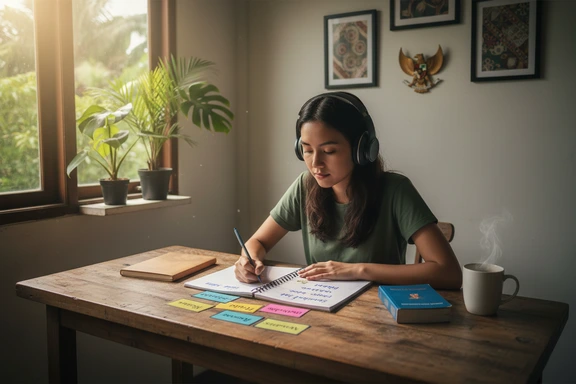
Bahasa Indonesia Learning & Pronunciation
Practice pronunciation with a native speaker on demand — slow the playback to 0.75x to catch every syllable, then speed up once you follow along. Ideal for BIPA students (Bahasa Indonesia for Foreign Speakers) preparing vocabulary drills, listening exercises, or flashcard audio. Paste any word list and hear KBBI-standard readings instantly.
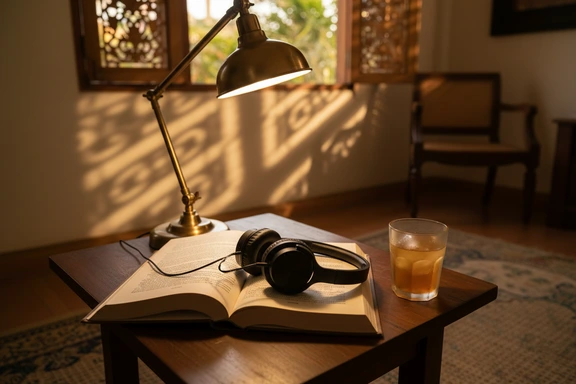
Audiobooks & Narration
Turn manuscripts into audiobooks with a natural narrator. HD voices deliver studio-level warmth for literary works — Pramoedya Ananta Toer, Andrea Hirata, or local folk tales from across the Nusantara archipelago. Adjust speed for dramatic pacing and download chapter-length audio without watermarks.
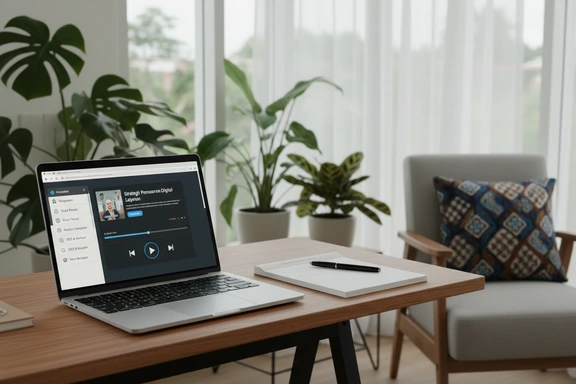
E-Learning & Online Courses
Voice entire course modules in Bahasa Indonesia — grammar explanations, quiz prompts, lesson introductions. Southeast Asia has the fastest-growing e-learning market, and platforms like Ruangguru and Zenius already serve tens of millions of students. Paste your lesson script, pick a clear authoritative speaker, and export audio ready for any learning management system.
How to Generate Bahasa Indonesia Voice in 3 Steps
Three steps to produce Indonesian speech online. No software, no signup.
Paste or type your Indonesian text
Type directly or paste up to 1,000,000 characters of Bahasa Indonesia. Upload DOCX, PDF, or SRT files. The engine reads Latin-script input as-is — no romanisation required.
Choose a voice
Pick from 80+ native speakers. Filter by gender and quality tier — Neural PRO for everyday use, HD for studio narration. Adjust speed and pitch to match your project.
Listen & download free
Click Convert to Speech, preview the result, and download as MP3, WAV, or FLAC. First 1,000 characters free — no account needed. No watermark on any plan.
What Makes Bahasa Indonesia Unique — Latin Script, No Tones & Affixation System
Three features that set Indonesian apart from neighbouring languages and make it one of the most accessible Asian languages for text-to-speech:
Latin Script & No Tones
Bahasa Indonesia has used the Latin alphabet since the 1947 EYD reform and has no lexical tones — what you type is what you hear. Unlike Thai, Vietnamese, or Mandarin, there is no extra step to mark tones or convert scripts, which means the text-to-speech output matches your input one-to-one.
Reduplication for Plurals
Indonesian forms plurals by doubling: anak-anak (children), jalan-jalan (strolling), buku-buku (books). The voice engine treats the hyphenated pair as a single intonation unit, so it sounds natural rather than reading two separate words.
Prefix & Suffix System
Words grow through affixes: jalan (way) becomes berjalan (to walk), menjalankan (to operate), and perjalanan (journey). Stress stays on the root across all derived forms, and the engine handles each prefix (me-, ber-, di-, pe-) and suffix (-kan, -i, -an) correctly.
Indonesian Text to Speech — FAQ
Bahasa Indonesia and Bahasa Malaysia share roughly 80 percent of their vocabulary — similar to Serbian and Croatian — but differ in spelling, loanwords, and pronunciation conventions. Indonesian uses mobil for car where Malay uses kereta; Indonesian says kantor for office while Malay says pejabat. The voices on this page follow KBBI-standard Indonesian pronunciation. If you need Malaysian speech, visit the Malay text to speech page instead.
Yes. Paste up to 1,000 characters and convert instantly — no account, no credit card, no watermark. Create a free account for an additional 3,000 characters per day for seven days. Paid plans unlock longer scripts, bulk export, and commercial-grade HD voices that deliver studio-level clarity for audiobooks and broadcast.
Every tier — including the free one — includes a commercial licence. You can monetise YouTube videos, embed audio in e-learning courses, add voiceover to paid apps, or use it in corporate presentations without additional fees. The downloaded files carry no watermark.
The neural engine treats Indonesian affixation as part of its language model, so menjalankan, berjalan, and perjalanan all receive correct stress on the root jalan. Nasal assimilation in the me- prefix (meng- before k/g, mem- before b/p, men- before t/d) is applied automatically — no phonetic markup needed on your side.
This page covers standard Bahasa Indonesia — the national language used in education, media, and government. Javanese and Sundanese are separate languages with their own grammars and scripts. SpeechGen offers dedicated pages for Javanese and Sundanese text to speech if you need those voices.