Mongolian Text to Speech
Convert Mongolian Cyrillic text to natural speech — 47 voices, free download.
47 Neural Voices — Cyrillic Script, Vowel Harmony & Altaic Phonology
Hear any text in Mongolian read back by a native-trained neural voice — just drop your Cyrillic script into the editor above. The engine handles long vowels, aspirated consonants, and the strict vowel harmony that shapes every word in the language: back vowels (а, о, у) never mix with front vowels (э, ө, ү) inside a single stem. Pick a speaker like Bataa (male) or Yesui (female) and download your audio in seconds.
Mongolia sits at the crossroads of the Central Asian steppe, and its language reflects that geography: an Altaic grammar shared with Turkic and arguably Korean and Japanese, a Cyrillic alphabet adopted in 1946 with two extra letters (Ө and Ү), and a non-tonal phonology that surprises learners expecting pitch tones from an Asian neighbour of China. Whether you need a voiceover for a Gobi travel vlog, pronunciation practice before a trip to Ulaanbaatar, or narration for a nomad epic audiobook, the 47 voices here cover the full range of Mongolian speech.
- 47 voices — all Neural tier
- 2 native-named (Bataa, Yesui) + 45 multilingual
- Adjustable speed & pitch
- Download MP3, WAV, OGG free
- First 1,000 characters — no signup
Mongolian Voice Samples — Click to Preview
Click to preview any Mongolian AI voice · 47 speakers total
All 47 Mongolian voices are Neural-tier. Only two are truly native-named (Bataa, Yesui); the remaining 45 are multilingual Azure Neural voices retuned for Mongolian phonology. Browse the full catalogue on the voices page — filter by mn-MN.
Mongolian Pronunciation — Greetings, Vowel Harmony & the Cyrillic Script
Seven essential phrases that show off the sounds unique to this language. Click play to hear each one read by Yesui.
Mongolian Text — Formatting & Conventions
How you format the source text affects the spoken output. Four conventions worth knowing when working with this language:
Numbers
1,000 → "нэг мянга" — the engine reads Mongolian numerals with correct declension. Long numbers are split into groups of three, matching the spoken convention.
Currency
₮5,000 → "таван мянган төгрөг" — use the tögrög symbol (₮) and the amount is read aloud with the currency name appended automatically.
Cyrillic Input
Paste Cyrillic directly — no transliteration needed. The engine recognises all 35 Mongolian Cyrillic letters including Ө and Ү, the two vowels that do not exist in standard Russian.
Long Vowels
"аа", "оо", "ээ" — doubled vowels signal a longer sound. Spelling them correctly matters: бар (tiger) and баар (bar/pub) are different words distinguished only by vowel length.
When to Use Mongolian Text to Speech
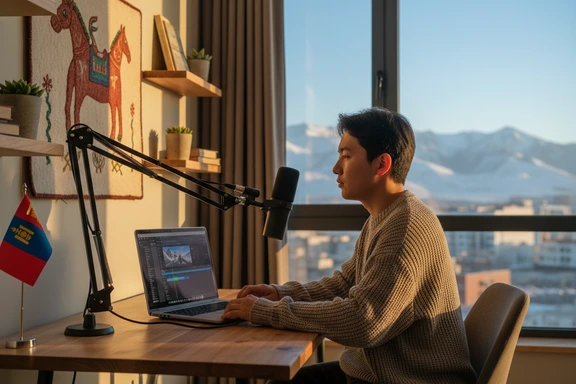
Content Creation & Voiceover
Add authentic narration to steppe travel vlogs, nomad documentaries, or social-media reels. Pick a male or female speaker, adjust the pacing, and export the audio file for Premiere, DaVinci, or CapCut. Ideal for creators covering Mongolia without a native narrator on hand.
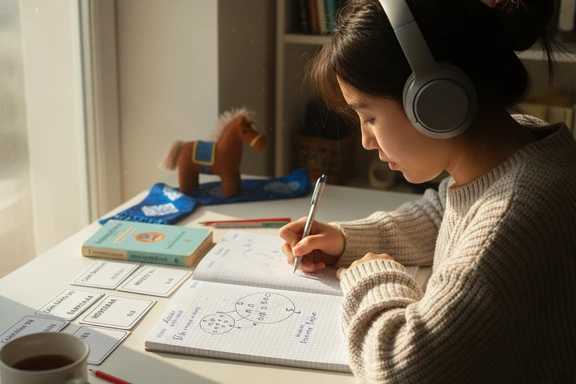
Language Learning
Hear greetings, basic phrases, and vowel-harmony pairs read aloud at adjustable speed. Slow the playback to catch every syllable, then speed it up once the pattern clicks. Useful for self-study, classroom drills, or pre-trip preparation before visiting Ulaanbaatar.
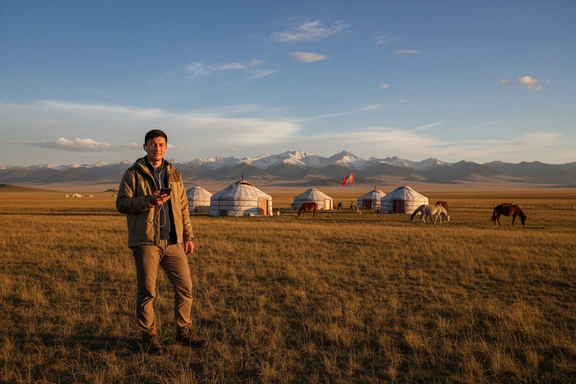
Tourism & Nomad Heritage Guides
Build audio guides for Gandan Monastery, the Chinggis Khan statue complex, or a Gobi desert camp tour. Paste your script, choose a voice, and hand visitors a ready-made narration they can play on any phone — no internet required once downloaded.
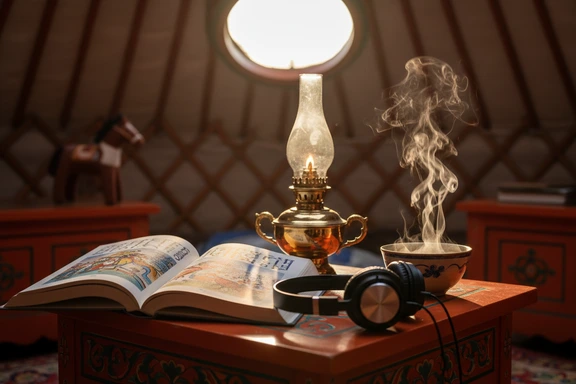
Audiobooks & Nomad Epics
Turn the Secret History of the Mongols, modern novels, or Buddhist texts into listenable audio. The deep male voice of Bataa suits epic narratives and historical chronicles, while Yesui brings clarity to contemporary prose and children's stories.
Generate Mongolian Speech in 3 Steps
No software to install, no account needed for the first 1,000 characters.
Paste or type your Mongolian text
Type directly in Cyrillic or paste up to 1,000,000 characters. Upload from a file if you prefer — the editor accepts plain text, documents, and subtitles.
Choose a voice
Pick from 47 speakers. Filter by gender and browse native-named options like Bataa or Yesui. Adjust speed and pitch to match the tone you need — slower for study, faster for news-style read-aloud.
Listen & download free
Click Convert to Speech, preview the result, and save as MP3 or WAV. The first 1,000 characters cost nothing and carry no watermark. Longer texts are available on paid plans with commercial use included.
What Makes Mongolian Unique — Script, Vowels & Altaic Roots
Cyrillic Script & Bichig
Modern Mongolia adopted Cyrillic in 1946 — 35 letters built on the Russian alphabet plus two extras: Ө and Ү for front rounded vowels found nowhere else in standard Russian. Inner Mongolia (China) still uses the traditional vertical Mongol Bichig, read top-to-bottom. The engine accepts Cyrillic input natively.
Vowel Harmony
Every word obeys strict vowel harmony: back vowels (а, о, у) and front vowels (э, ө, ү) never share the same stem. Listen to the minimal pair гэр (yurt) vs гар (hand) in the Phonetic Highlights above — the single vowel swap changes meaning while the consonant skeleton stays identical.
Altaic Family & Non-Tonal
Mongolian belongs to the Mongolic branch of the proposed Altaic family, sharing grammar with Turkic, Tungusic, Korean, and Japanese: subject-object-verb word order, agglutinative morphology, no grammatical gender. It is non-tonal — a surprise for learners who assume an Asian neighbour of China must use pitch tones. Pronunciation centres on vowel length and harmony instead.
Frequently Asked Questions
No. Mongolian belongs to the Mongolic branch of the Altaic language family, while Chinese is Sino-Tibetan. The two share no common grammar, no shared vocabulary roots, and different writing systems — Cyrillic in Mongolia versus characters in China. Inner Mongolia (a Chinese autonomous region) does use a Mongolic language, but written in the traditional vertical Bichig script rather than Chinese characters.
mn (ISO 639-1) or mn-MN (IETF BCP 47 for Khalkha Mongolian as spoken in Mongolia). Inner Mongolia uses mn-Mong when referring to text in the traditional vertical script. In the voice catalogue, filter by mn-MN to see all 47 speakers.
In Mongolia (the country), yes — a 35-letter Cyrillic alphabet adopted in 1946, with two letters not found in Russian: Ө and Ү. In Inner Mongolia (China), the traditional vertical Mongol Bichig script is used. The text-to-speech engine reads Cyrillic input; Bichig text would need to be romanised or converted to Cyrillic first.
No. Unlike Chinese, Vietnamese, or Thai, Mongolian does not use pitch tones to distinguish word meaning. Instead, it relies on vowel length (short vs long) and vowel harmony (front vs back). This is a common misconception based on Mongolia's geographic proximity to tonal-language regions.
Yes. Commercial use is included on every plan, including the free tier. Generate voiceovers for videos, audiobooks, e-learning courses, or tourism guides and use the output in paid products without extra licensing. See the pricing page for plan details.
Yes. The same 47 voices powering the Mongolian TTS on this page are available through the SpeechGen programming interface. Send a request with your Cyrillic text and receive an audio file back — useful for integrating a text to speech Mongolian reader into apps, kiosks, or automated workflows. See the developer documentation for details.