Greek Text to Speech
Convert text to natural Greek speech — 87 AI voices, modern & ancient.
87 AI Voices — Modern Greek, Polytonic & Erasmian Accent
The Greek alphabet gave the world vowels — and its phonology remains remarkably consistent after 3,400 years of continuous use. The engine handles the full range of the language — from everyday modern conversation with monotonic stress marks to classical passages using polytonic diacritics (ἀ, ἕ, ὁ). Pick a speaker like Nestoras (Neural, male) or Athina (Neural, female), adjust speed and pitch, and download your audio file.
The library covers 87 speakers across Neural and HD tiers, each trained on native el-GR pronunciation: the soft /ʝ/ of Gamma before front vowels, the double-letter clusters Ψ ("ps") and Ξ ("ks"), and correct stress placement guided by the written accent mark. Useful as a text reader for Ellinomatheia exam prep, audiobook narration of Kazantzakis or Cavafy, tourism audio guides for Athens and Santorini, and voiceover for the growing content market in Greece. First 1,000 characters free — no account, no watermark.
- 87 native voices — Neural & HD tiers
- Modern & Ancient script support
- Adjustable speed & pitch
- Download MP3, WAV, FLAC, OGG
- Free — 1,000 chars, no signup
Greek Voice Samples — Listen Before You Generate
Click to preview · 87 native voices total
These are 4 featured speakers. Browse all 87 on the voices page — filter by el-GR.
Greek Pronunciation — Phonetic Highlights
Seven common phrases that demonstrate how the engine handles the sounds unique to this language. Click play to hear each one.
What Makes Greek Pronunciation Distinctive
- Consonant clusters — letters like Ψ (ps), Ξ (ks), and initial combinations such as μπ ("b") and ντ ("d") are common in everyday vocabulary. The engine resolves each cluster correctly without inserting artificial pauses.
- Stress marks — every word of two or more syllables carries a written accent that determines its rhythm. Misplacing stress can change meaning entirely: ποτέ (when) vs πότε (never). The accent mark in your source text drives the reading.
- Vowel digraphs — combinations like αι = /e/, ου = /u/, and ευ = /ef/ or /ev/ depending on the following consonant. Accurate digraph handling keeps the output sounding authentic rather than letter-by-letter.
Greek Text — Formatting & Conventions
Small formatting choices in your source text change how the output sounds. Four conventions worth knowing:
Numbers
1.500 reads as "one thousand five hundred" (period = thousands separator). The decimal mark is a comma: 3,14 → "tria komma dekatessera". Keep the Greek convention and the reading comes out right.
Currency
€12,50 → "dodeka evro ke peninta lepta". Place the euro sign before the figure: the engine reads the symbol as the currency name and the number in its full spoken form.
Dates & Time
15 Απριλίου 2026 → "dekapente Apriliou disjiliadez ikosiexi". Day-first format. 24-hour clock is standard: 14:30 → "dekatesseres ke trianta".
Polytonic vs Monotonic
Modern text uses monotonic accents (ά, έ, ό). Classical or ecclesiastical text may include polytonic marks (ἀ, ἕ, ὁ). Paste either form and the engine resolves the correct stress automatically.
What Can You Do with a Greek Text to Speech Tool?
Language Learning & Pronunciation
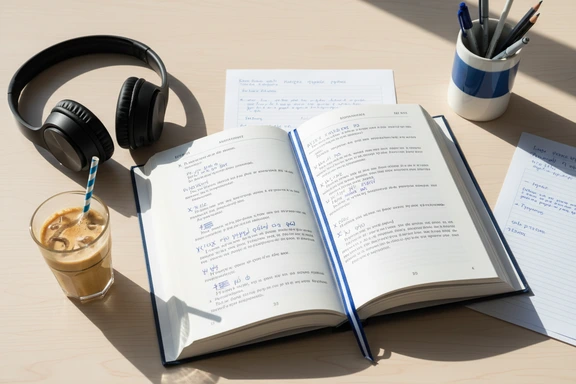
Train your ear on authentic spoken rhythm before you travel or sit the Ellinomatheia certificate. Paste vocabulary lists or dialogue scripts, slow playback to 0.75x to isolate tricky consonant clusters, then bring it back up once your ear follows along. Works from A1 greetings through C2 essay passages.
Content Creation & Voiceover
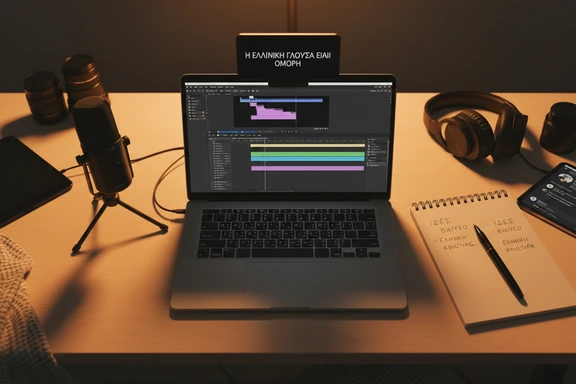
Add a native narrator to YouTube videos, product demos, and social-media reels targeting audiences in Greece and Cyprus. A natural voice lifts the production instantly — documentary gravitas with Nestoras or approachable warmth with Athina. Export the file and drop it into Premiere, DaVinci, CapCut, or any editing timeline.

Ancient Greek & Classical Texts
Hear Homer, Plato, and Sophocles read aloud from the original script. Paste polytonic passages from the Iliad or the Republic and the engine resolves breathings and circumflexes into spoken form. Philology students use this for Erasmian drill or to compare modern reconstruction with the traditional reading. Converts classical text into audio you can study anywhere.

Audiobooks & Greek Literature
Turn Kazantzakis, Ritsos, Cavafy, and contemporary novelists into audiobooks with a natural narrator. Upload a DOCX or PDF for chapter-length scripts. Use Dialog Mode to assign distinct speakers to characters and dialogue for a full-cast production feel. Export as a single file or chapter by chapter.
Greek Text to Speech — How It Works
Three steps to generate native audio. No software to install, no signup required.
Paste or type your Greek text
Type directly or paste up to 1,000,000 characters. Upload DOCX, PDF, or SRT files. Monotonic and polytonic accents are both recognised automatically — no special markup needed.
Choose a voice
Pick from 87 native speakers. Filter by gender and quality tier — Neural or HD. Adjust speed and pitch to shape the delivery for your project.
Listen & download free
Click Convert to Speech, preview the result, and download as MP3, WAV, or FLAC. First 1,000 characters free — no account needed. No watermark on any plan.
Greek Language Spotlight
Three features of the language that the engine handles behind the scenes, so you can focus on writing.
Alphabet & Script
The Greek alphabet has 24 letters and has been written continuously for nearly 3,000 years. Modern text uses monotonic orthography (single accent mark), while classical and ecclesiastical sources use polytonic marks with breathings and circumflexes. Paste either form — the engine resolves both.
Ancient vs Modern
The same script carries two very different sound systems. Modern Greek (δημοτική) has five vowel phonemes and a simpler consonant inventory. Attic Greek (Homer, Plato, Aristotle) featured pitch accent and additional vowel distinctions. The engine reads modern naturally and interprets classical polytonic from the diacritics you provide.
Stress & Rhythm
Every word with two or more syllables carries exactly one written accent. The engine reads that mark and places stress on the correct syllable. This matters because stress is contrastive: ποτέ (when) vs πότε (never), νόμος (law) vs νομός (county). No manual phonetic annotation required.
Frequently Asked Questions
Yes. Paste polytonic passages — breathings, circumflexes, grave and acute accents — and the engine resolves each mark into the correct spoken form. It reads Homeric hexameter, Platonic dialogues, and New Testament koine without manual phonetic annotation. The output follows modern reconstruction by default; pair it with slower playback speed for Erasmian drill if you study classical philology.
87 speakers in two tiers. Neural voices (like Nestoras and Athina) deliver warm, expressive delivery suitable for narration and conversation. HD voices (like Achird and Achernar) target broadcast and audiobook production where studio-grade clarity matters. All voices support speed from 0.5x to 2.0x and pitch from −20 to +20.
The first 1,000 characters are free with no account, no card, and no watermark. Register a free account for an additional 3,000 characters per day for seven days. Commercial use is included on every tier, so you can publish the output on YouTube, podcasts, client projects, and apps without extra fees.
Yes. MP3 is the default format. WAV and FLAC are available for archival or editor workflows that prefer uncompressed audio. OGG is also supported. Every file ships watermark-free.
It does. Modern monotonic text (single accent) and classical polytonic text (rough/smooth breathing, circumflex, grave/acute) are both supported. The engine maps polytonic diacritics to stress and aspiration rules automatically, so a passage from Thucydides and a passage from a contemporary newspaper both come out with correct emphasis.