Turkish Text to Speech
Turkish AI voices (Ahmet, Emel, HD) — yapay zeka seslendirme, MP3 free.
100+ AI Voices — Vowel Harmony, Agglutination & Soft Ğ
Paste any text and hear it read with the full 29-letter alphabet — front vowels ü and ö, undotted ı, and the soft characters ş, ç, ğ all handled natively. Vowel harmony (ses uyumu) and agglutinative chains like evlerinizdekilerden ("from those in your houses" — one word) come out fluid and correctly stressed. Pick a voice like Ahmet (PRO Neural, male) or Emel (PRO Neural, female) and download your MP3 in seconds.
For studio-grade output, Algenib TR (HD, male) and Kore TR (HD, female) deliver broadcast quality. The catalogue covers YouTube voice-over, audiobook narration, broadcast announcements for transit and corporate digital signage, language learning, and YDS/YÖKDİL exam prep audio. First 1,000 characters free — no account, no watermark.
- 100+ native voices — Standard, PRO, HD
- Full alphabet: ü, ö, ş, ğ, ç, ı
- Adjustable speed & pitch
- Download MP3, WAV, FLAC, OGG
- Free — 1,000 chars, no signup
Turkish Voice Samples — Hear Before You Generate
Click to preview · 100+ native voices total
These are 4 featured speakers. Browse all 100+ on the voices page — filter by tr-TR.
Turkish Pronunciation — Key Sounds & Features
Turkish uses letters absent from English and follows strict phonological rules. Click each example to hear the correct pronunciation.
Vowel Harmony (Ses Uyumu)
- Front/back harmony — vowels divide into front (e, i, ö, ü) and back (a, ı, o, u). Suffixes must match the vowel category of the root. Ev-ler (houses) uses the front e suffix; kap-lar (doors) uses the back a suffix. Get this wrong in writing and the result sounds foreign.
- Rounded harmony — after o/u the suffix often takes o/u; after ö/ü it takes ö/ü. This creates consistent pronunciation patterns across all suffixed forms — agglutination chains stay phonetically coherent end to end.
- Why this matters for synthesis — because harmony is systematic, the neural voices maintain natural rhythm across the longest agglutinated words. No manual phoneme correction needed; the engine resolves the harmony rules automatically from spelling.
Turkish Text — Formatting & Input Conventions
Small details in how you format your source text change how it comes out aloud. Four local conventions worth knowing:
Numbers
1.234,56 — period as thousands separator, comma as decimal mark (the reverse of English). The engine reads bin iki yüz otuz dört virgül elli altı correctly when you stick to local format.
Currency
₺150 → yüz elli lira. Use the ₺ symbol or write "TL" — both are recognised and read as Türk lirası. Kuruş: 50 kr → elli kuruş.
Dates
9 Nisan 2026 → dokuz Nisan iki bin yirmi altı. Day-first order. Write month names in full (Ocak, Şubat, Mart, Nisan…) for the most natural reading; numerals work too but read less smoothly.
Special Characters
ü, ö, ş, ğ, ç, ı — always use the native form. Substituting u for ü or s for ş shifts pronunciation to a different phoneme. If your keyboard lacks them, use Unicode input or copy-paste a Turkish source.
What Can You Do with Turkish Text to Speech?
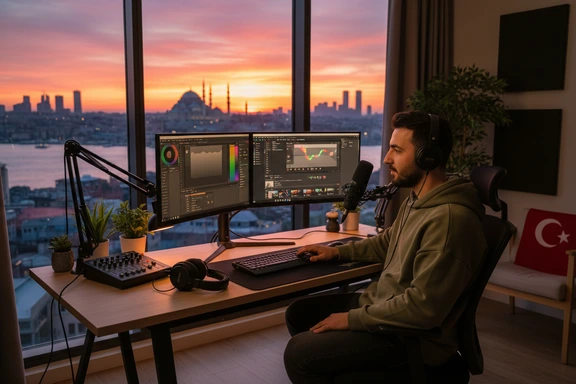
Content Creation & Voiceover
Add a native voice to YouTube videos, social-media reels, and podcasts without booking a studio. Pick Ahmet for authoritative male narration or Emel for a warmer conversational tone. Export as MP3 and drop into Premiere, DaVinci, CapCut, or any editor — no watermark on any tier.
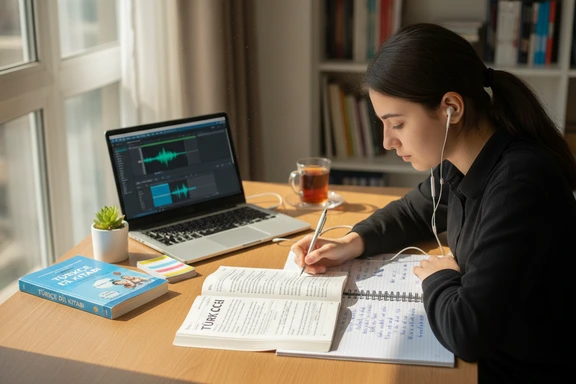
Language Learning & Exam Prep
Train your ear on vowel harmony, the soft ğ, and undotted ı in real sentences — not isolated phonemes. Slow playback to 0.75× to catch every syllable, then ramp it back up. Useful for YDS, YÖKDİL, and TÖMER C1/C2 exam listening sections, plus shadowing drills against a Kore TR (HD) reference.
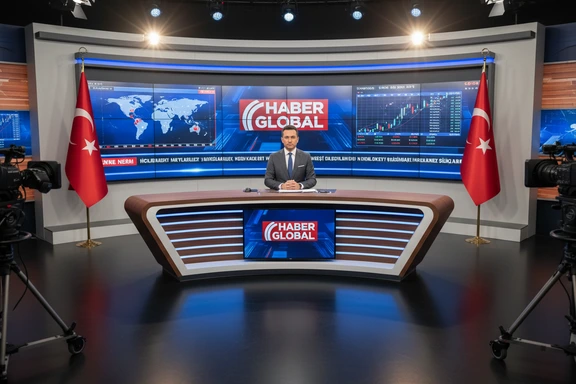
Media, News & Public Announcements
Generate broadcast-ready audio for news summaries, corporate announcements, and digital signage. Useful for transit systems (Istanbul Metro, Marmaray, IETT buses), Istanbul Airport multilingual announcements, and corporate IVR menus. Emel delivers a neutral, professional tone; Algenib TR (HD) matches the precision expected on TRT and broadcast pipelines.

Audiobooks & Narration
Turn manuscripts into audiobooks for the local market — Storytel Türkiye, Audible Turkey, podcast publishers. Narrate fiction (Orhan Pamuk, Elif Şafak, Yaşar Kemal) and non-fiction with natural prosody. Emel handles dialogue and literary phrasing smoothly; Algenib TR (HD) delivers grounded masculine narration. Use Dialog Mode to assign distinct voices to characters across long manuscripts.
How Turkish Text to Speech Works
Three steps to convert your text to natural audio. No software, no signup required.
Paste your text
Type or paste up to 1,000,000 characters. The full 29-letter alphabet (ü, ö, ş, ğ, ç, ı) reads correctly without adjustment. Upload DOCX, PDF, or SRT files for longer scripts.
Choose a voice
Pick from 100+ native speakers. Filter by gender, quality tier (Standard, PRO Neural, HD), and tr-TR to narrow down. Adjust speed (0.5×–2.0×) and pitch to match your content.
Download your MP3
Click Convert to Speech, preview the result, and download as MP3, WAV, or FLAC. First 1,000 characters are free — no account needed. No watermark on any plan.
Frequently Asked Questions
Yes. The first 1,000 characters are free with no account, no card, no watermark — just paste, generate, and download. Create a free account and you get an additional 3,000 characters per day for seven days. Paid plans run pay-as-you-go (no monthly commitment) and the commercial licence is included in every tier including the free one.
For most content, Ahmet (PRO Neural, male) and Emel (PRO Neural, female) deliver the cleanest natural intonation across vowel-harmony chains and the soft ğ. For broadcast and audiobook work, step up to Algenib TR (HD, male) and Kore TR (HD, female) — studio-grade output that holds up against TRT-level production. Click through the gallery above to compare side by side.
MP3 by default, plus WAV, FLAC, and OGG on request. All four deliver the same audio — MP3 for casual use and web embeds, WAV for editors that prefer uncompressed (broadcast and IVR), FLAC for archival, OGG for podcasting workflows. Every file ships watermark-free with a commercial licence built into every plan.
Yes — the full 29-letter alphabet including ü, ö, ş, ğ, ç, and undotted ı is handled natively. The engine reads them with correct phonetic values automatically, with no manual phoneme substitution. Just paste native text with the correct diacritics — substituting u for ü or s for ş shifts the reading to a different sound.
Yazıyı sese çevirme is the local term for text to speech — literally "converting writing to sound". You'll also see metni sese çevirme and seslendirme used interchangeably. This page is one of the top-ranked options for yazıyı sese çevirme, with 100+ native voices and full support for the local alphabet, vowel harmony, and agglutinative chains.
Paste your script into the editor, pick a voice (Ahmet for formal male narration, Emel for warm female), adjust speed and pitch, click Convert to Speech. Download as MP3 (or WAV for broadcast) and import into Premiere, DaVinci, CapCut, or any editor. The first 1,000 characters are free; for longer scripts, paid plans offer high-volume generation with the same commercial licence.