Zulu Text to Speech
Convert text to natural isiZulu speech — 47 AI voices, free MP3.
47 Neural Voices — Click Consonants, Nguni Tones & isiZulu Script
Zulu is one of the few languages where a single click sound changes the meaning of a word entirely. Paste your isiZulu text into the editor above, pick from 47 neural voices, and hear every c, q, and x click rendered with the dental, alveolar, and lateral articulation that native speakers expect. This Zulu tts engine handles tonal pitch, nasal prefixes like ng- in "ngiyabonga", and the agglutinative word-building that can pack an entire sentence into one verb form.
Four real audiences rely on text to speech Zulu tools: South African content creators producing voiceover for YouTube, podcasts, and advertising; government and education teams publishing multilingual materials required by the constitution; learners practising pronunciation with Zulu click consonants drills; and the diaspora keeping the Nguni language alive through isiZulu text to speech audiobooks and storytelling for children abroad. Choose Themba or Thando for a native timbre, or try a cross-lingual neural clone for a different colour.
- 47 isiZulu voices — all Neural, male & female
- Click consonant support (C, Q, X)
- Adjustable speed & pitch
- Download MP3, WAV, OGG
- Free — no signup required
Zulu Voice Samples — Click to Preview
Click to preview · 47 isiZulu voices total
These are 4 featured speakers — each a Zulu ai voice trained on native pronunciation. Browse all 47 on the voices page and find any voice in Zulu by filtering zu-ZA.
Zulu Pronunciation — Click Sounds, Tones & Greetings
Zulu has three distinct click consonants borrowed from Khoisan languages, plus tonal pitch and nasal prefixes. Click play to hear each one.
isiZulu Text Input — Formatting & Conventions
Small formatting choices affect how the Zulu text reader handles your input. Four conventions worth knowing:
Click Letters
c, q, x — type them as ordinary Latin letters. The engine maps each to the correct click articulation: c = dental [ǀ], q = alveolar [!], x = lateral [ǁ]. No special characters needed.
Numbers
250 reads as "amakhulu amabili namashumi amahlanu" — the full descriptive form. Zulu counts in groups of ten: amashumi amabili (20), amashumi amathathu (30). Write digits and the engine expands them.
Currency
R250 reads as "amarandi angamakhulu amabili namashumi amahlanu" — South African Rand in full Zulu form. Use the R symbol for ZAR amounts.
Noun Prefixes
umuntu, abantu, ubuntu — keep prefixes attached. Splitting "umu-ntu" breaks the reading. Zulu nouns carry their class prefix as part of the word, and the engine expects them joined.
When to Use Zulu Text to Speech
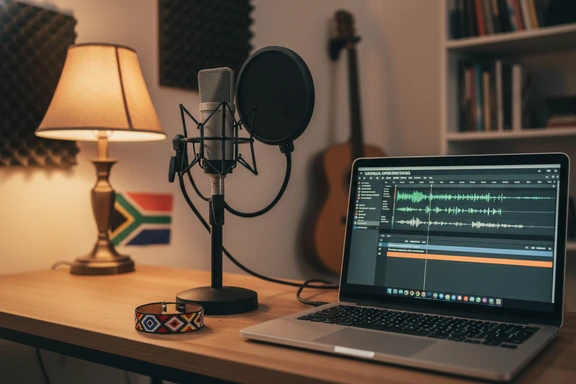
Content Creation & Voiceover
Add a Zulu voice to YouTube channels, TikTok clips, and podcast episodes aimed at the KwaZulu-Natal audience. South African creators at SABC, Ukhozi FM, and independent studios use neural voices for quick turnaround on advertising, explainers, and social-media narration. Export the file and drop it into any video editor.
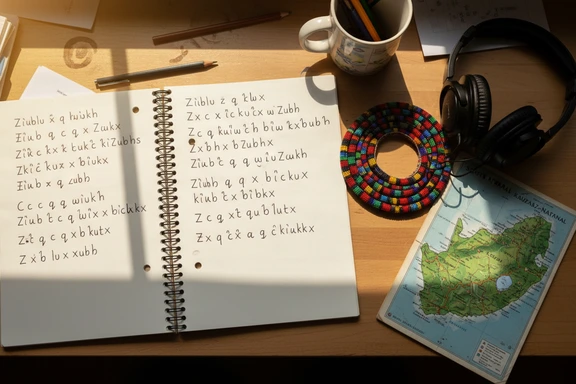
Language Learning & Pronunciation
Practise click consonants and tonal patterns at your own pace. Slow the playback to 0.75 times and repeat each phrase until the dental, alveolar, and lateral clicks feel natural. Useful for newcomers relocating to South Africa, university students of Nguni linguistics, and heritage learners reconnecting with isiZulu abroad.
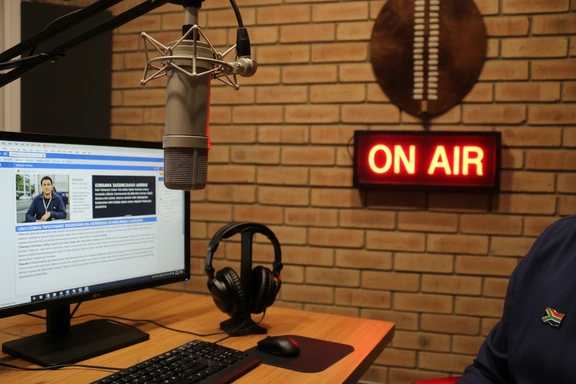
Public Announcements & Broadcasting
South Africa's constitution mandates communication in all eleven official languages. Generate clear Zulu announcements for hospitals, airports like King Shaka International, train stations, and municipal offices. Broadcasting teams at Ukhozi FM — the most-listened-to radio station in Africa — can prototype scripts before going live.

Audiobooks & Storytelling
Turn izinganekwane (Zulu folktales) and contemporary literature into audio. Children in the diaspora can hear bedtime stories in isiZulu, and schools across KwaZulu-Natal can distribute listening versions of set works. Pick a warm narrator like Themba for fiction, or a crisp neural clone for textbook chapters.
Generate Zulu Speech in 3 Steps
This tts Zulu workflow needs no software and no account. Paste, pick, download.
Paste or type isiZulu text
Type directly or paste up to 1,000,000 characters in Latin script. Click letters c, q, and x work as regular keyboard input — no special fonts or characters required.
Pick a voice
Choose from 47 isiZulu speakers. Filter by gender, then adjust speed and pitch to match your project — slower for learning drills, natural pace for narration.
Listen & download free
Click Convert to Speech, preview the result, and save as an audio file. First characters free, no signup, no watermark on any plan.
What Makes Zulu Unique — Clicks, Tones & Nguni Heritage
Three features that make isiZulu stand out among the world's languages — and that the speech engine handles correctly.
Click Consonants
Zulu uses three types of click consonants inherited from Khoisan languages: C (dental), Q (alveolar), and X (lateral). Each click combines with voiced, aspirated, and nasalised onsets, producing over fifteen distinct sounds. Hear the difference in the pronunciation table above: icala, iqanda, ixoxo.
Noun Classes
Instead of masculine and feminine, Zulu organises nouns into fifteen-plus semantic classes. "Umuntu" (person, class 1) becomes "abantu" (people, class 2), and the abstract quality "ubuntu" (humanity) lives in class 14. Every adjective, verb, and possessive agrees with the noun class — the engine preserves this agreement across full paragraphs.
Numbers & South African Rand
Zulu counts in groups of ten: amashumi amabili (20), amashumi amathathu (30). The engine reads "R250" in full as "amarandi angamakhulu amabili namashumi amahlanu" — the complete Zulu form of two hundred and fifty Rand. Useful for financial reports and pricing announcements aimed at a Zulu-speaking audience.
Zulu Text to Speech — FAQ
47 isiZulu voices, all Neural quality, split between male and female speakers. Featured voices include Themba (male, native Zulu name meaning "hope") and Thando (female, meaning "love"). Browse the full roster on the voices page and filter by zu-ZA.
Yes. The engine renders all three Zulu clicks: C [ǀ] (dental), Q [!] (alveolar), and X [ǁ] (lateral). You can hear each one in the pronunciation table above — compare icala, iqanda, and ixoxo to check the articulation yourself.
Yes. Paste any isiZulu text and download the audio file free, with no account and no watermark. Paid plans raise character limits and unlock bulk export, but the free tier is enough for short scripts and pronunciation practice.
Every tier — including the free one — comes with a commercial licence. Use the generated Zulu audio in videos, ads, e-learning courses, apps, and broadcast without additional fees.
The code is zu-ZA: "zu" identifies the Zulu language in the ISO 639-1 standard, and "ZA" marks South Africa as the region. Use this code to filter voices in the editor or when calling the programming interface.
Yes. Besides isiZulu, you can generate south african text to speech in Xhosa, Afrikaans, Sesotho, Setswana, and several other official languages of South Africa. Each has its own dedicated page with voice samples and pronunciation tips.