Lebanese Arabic Text to Speech — Beiruti AI Voice
2 Lebanese Arabic AI voices — Beiruti Shami accent. Free MP3, no signup.
Lebanese Beiruti — Levantine Shami, Trilingual by Default
Lebanese Arabic is the Shami variant heard from بيروت to the mountain villages, carried worldwide by roughly fifteen million diaspora speakers — USA, Brazil, Australia, West Africa and the Gulf. Two neural ar-LB speakers, Layla Azar (female) and Rami (male), read Beirut-register speech with the cosmopolitan cadence that defines the city. Paste, pick a speaker, download a free MP3 — no signup.
Unlike Modern Standard Arabic, Beiruti speech leans urban and trilingual: "hi kifak ça va" is a real everyday greeting mixing English, Arabic and French in one sentence. French and English loanwords sit naturally inside Arabic grammar, urban Beirut turns qaf into hamza, the voiceless /ʒ/ softens, and the cadence moves fast. This page carries the cultural weight of Fairuz, Ziad Rahbani, Marcel Khalife and the modern لبنانية pop diaspora. For MSA or other Arabic variants, visit the main Arabic page.
- 2 native ar-LB speakers — Neural tier
- Beirut urban register — Shami cadence
- French & English code-switching, soft /ʒ/, qaf→hamza
- Download MP3, WAV, FLAC, OGG
- Free — 1,000 characters, no signup
Lebanese Voices — Beiruti Shami Speakers (Layla & Rami)
Click to preview · 2 native ar-LB speakers total
Both ar-LB native speakers — Layla Azar and Rami, trained on Beirut-register speech also heard on LBCI, MTV and Al Jadeed. For الفصحى, Egyptian, Gulf or other Levantine variants visit the main Arabic page.
Lebanese Shami vs MSA (الفصحى) — Pronunciation Comparison
Same meaning, two readings. Hear how Beiruti reshapes the MSA baseline.
What Makes Lebanese Arabic Sound Unique
- qaf → hamza — urban Beirut drops the /q/ to a glottal stop, so "قلب" becomes "ألب". The engine handles this shift naturally; no diacritics or SSML needed.
- Trilingual code-switching — a sentence like "hi kifak ça va" moves between English, Arabic and French without pausing. Beirut speech is the densest trilingual register in the Arab world.
- Soft /ʒ/ and rapid cadence — the voiceless fricative replaces /dʒ/, and the overall pace is noticeably faster than Egyptian or Gulf Arabic. Together they give the Beiruti its instantly recognisable timbre.
- "halla, ktir, hek" particles — daily Beiruti speech peppers these Shami particles into every other sentence. Write them as spelled and the voice delivers the expected Levantine flow.
Lebanese Conventions — Lira, Date Format & Number Style
Local formatting shifts how the same numbers read aloud. Four ar-LB conventions worth feeding the voice correctly:
Numbers
1,234,567 — Latin digits dominate in urban and business writing; Arabic-Indic (١٢٣٤٥٦٧) appears mainly in official print.
Currency
ل.ل 90,000 — the Lebanese lira (LBP). Since the 2019 crisis, USD prices are equally common in everyday retail.
Dates
24/04/2026 — day-first DD/MM/YYYY, a French legacy. Bilingual signage often prints the month name in French.
Time
14:30 — 24-hour in formal and French-legacy contexts; 12-hour colloquial in daily speech with صباحاً / مساءً.
What Can You Do with a Lebanese AI Voice?
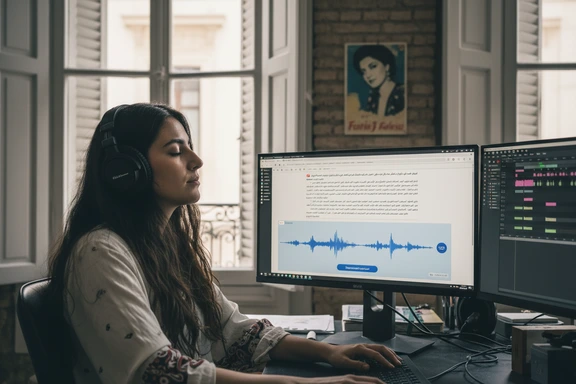
Lebanese Media & Marketing
Voice campaigns for Beirut brands — Alfa, Touch, Bank Audi, Aishti. Layla and Rami deliver a natural trilingual cadence ("hi kifak ça va") that sounds instantly Beiruti to local audiences and LBCI or MTV news editors.
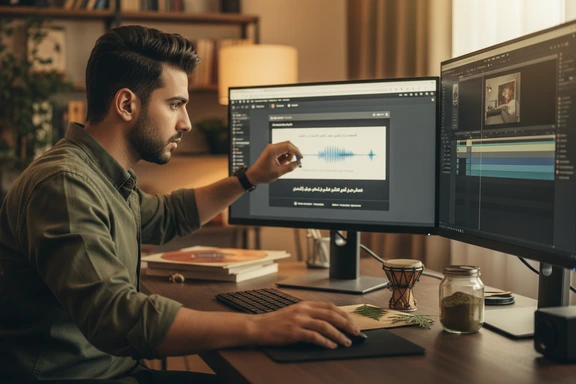
Lebanese Diaspora Content
Produce YouTube, TikTok and podcast episodes for the worldwide community in the USA, Brazil, Australia, West Africa and the Gulf. The ar-LB voice blends Arabic, French and English the way Beirut actually speaks — tabbouleh, hummus, merci ktir.
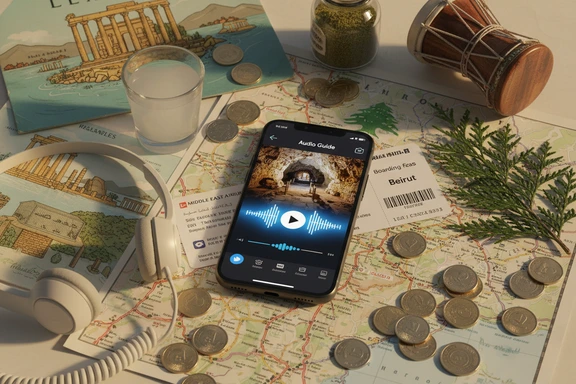
Lebanon & Cedar Tourism
Build audio guides from Beirut Corniche to Byblos, Baalbek, Sidon, Tyre and the Jounieh bay — then up to the cedar groves of the Shouf. A Lebanese voice gives Phoenician and Mediterranean heritage content the authentic character it deserves.
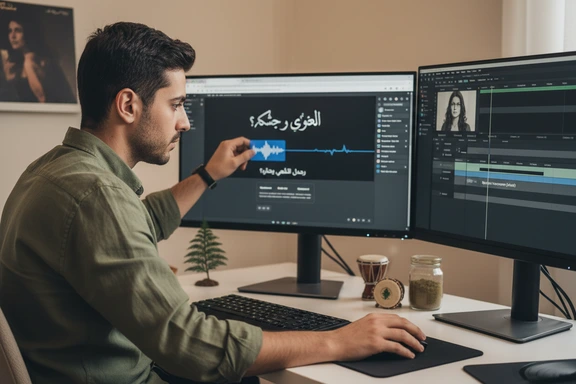
Lebanese Culture & Music Narration
Narrate Fairuz retrospectives, Ziad Rahbani theatre, Marcel Khalife documentaries, or Nancy Ajram and Haifa Wehbe pop features. The Beiruti voice carries the cadence these cultural icons deserve — from Baalbek festival stage to modern pop.
Lebanese Arabic TTS — How It Works
Three steps to generate an ar-LB reading online. No software, no signup.
Paste or type your text
Up to 1,000,000 characters. Mix Arabic, French and English — "hi kifak ça va" — the speaker handles all three.
Choose a voice
Pick Layla (female) or Rami (male). Adjust speed and pitch for the register you need.
Listen & download free
Convert, preview, export MP3, WAV or FLAC. First 1,000 characters free, no sign-up.
Frequently Asked Questions — Lebanese Arabic TTS
It is a Levantine variant with distinctly Beiruti features: urban qaf → hamza (قلب → ألب), heavy trilingual code-switching ("hi kifak ça va"), soft voiceless /ʒ/, French and English loanwords blended into everyday speech, and a rapid cadence. Cultural identity is carried by Fairuz, Sabah, Ziad Rahbani and the modern pop diaspora (Nancy Ajram, Haifa Wehbe).
Yes. Write "hi kifak, ça va?" or "merci ktir" and Layla or Rami reads each word with the correct language embedded in the Beiruti flow. This is essential because everyday speech from the capital constantly mixes all three languages — كلام لبناني at its most authentic.
Both sit inside the same Levantine cluster and are mutually intelligible, but they differ in register and cultural influence. The Beirut variant is cosmopolitan — heavy French and English mixing, urban qaf → hamza, Phoenician Mediterranean identity, and a pop-diva cultural anchor around Fairuz. Syrian speech leans closer to MSA, with a Damascus Old City register, far less code-switching, and a TV-drama export tradition. For Syrian content use our Syrian Arabic TTS page.
Two ar-LB Neural speakers: Layla Azar (female, Beiruti cadence) and Rami (male, Beirut urban register). Both handle trilingual inputs. For MSA or other Arabic variants, see the main Arabic TTS page.
Yes. Free MP3 download — no signup, no watermark. Paste your text, pick Layla or Rami and export. WAV, FLAC and OGG are also available. First 1,000 characters are free.
Pick Layla Azar or Rami and export the reading in seconds. Need another Arabic variant? Visit the main Arabic page.