Paraguayan Spanish TTS — Jopara AI Voice
2 Paraguayan Spanish AI voices — Asunción voseo with Guarani register. Free MP3.
Asunción Voseo & Jopara — Native es-PY Voices with Guaraní Register
This page reads any script in the Asunción register — voseo grammar, /ʎ/ preserved in "lluvia" and the Jopara code-switching that defines everyday speech across Paraguay. Two native es-PY neural speakers, Tania (female) and Mario Rojas (male), carry the cadence of the only officially bilingual Spanish-speaking country in the Americas, where roughly 90 percent of the population speaks Spanish and Guaraní side by side.
Paste text with "vos tenés", drop in Guaraní words like mitã, jagua, karu or tereré, and the speaker slips between registers the way Asunción does. A native paraguayo reading for a Mercosur ad, an Itaipu documentary, a polca paraguaya intro or a guarania podcast — no signup, no watermark. For the wider Spanish catalogue across twenty-two locales, see the main Spanish page.
- 2 native es-PY speakers — Neural tier
- Vos-form grammar & /ʎ/ lleísmo preserved
- Jopara code-switching with Guaraní loanwords
- Download MP3, WAV, FLAC, OGG
- Free — 1,000 characters, no signup
Paraguayan Voices — Tania & Mario Rojas from Asunción
Click to preview · 2 native es-PY speakers total
Both speakers carry the central register heard from Asunción to Ciudad del Este and Encarnación — the informal pronoun, conservative /ʎ/ and an easy slide into Guaraní loanwords. For Castilian, Rioplatense, Mexican and other regional catalogues visit the main Spanish page.
Paraguayan Spanish vs Castilian — Pronunciation Comparison
Same meaning, two readings. Hear how the dialect reshapes grammar, consonants and code-switching against the Castilian baseline.
What Makes Paraguayan Spanish Sound Unique
- Guaraní bilingualism (≈90%) — a co-official indigenous language since the 1992 Constitution, unique among Spanish-speaking countries in the Americas. The speaker carries that substrate into every reading, pronouncing Guaraní loanwords (mitã, jagua, karu, tereré, chipa, mbejú) as part of natural speech rather than foreign imports.
- Jopara code-switching — everyday speech slides between Spanish and Guaraní mid-sentence. A line like "¿Cómo estás, mitã?" or "¡Qué bueno, hendy ko'ãichagua!" is not error — it is the national register, and the voice reads it in stride.
- Voseo with conservative /ʎ/ — "vos tenés" groups this variant with the Southern Cone, but the preserved /ʎ/ in "lluvia" keeps it distinct from the /ʃ/ sheísmo heard across the Río de la Plata. The pronoun reading sounds Southern Cone, the L sounds Paraguay.
- Jesuit-era and place vocabulary — Reducciones, Misiones, Itaipu, Ciudad del Este, Encarnación, Chaco, Itapúa. The phonology stays the same across the country, but the proper nouns — with frequent Guaraní etymology (Ypacaraí, Ka'aguasu, Mbaracayú) — root every reading firmly in the country.
Paraguayan Conventions — Guaraní (PYG), Date Format & Number Style
Local formatting rules shift how the same numbers read aloud. Four es-PY conventions worth feeding the voice correctly:
Numbers
2.500.000,00 — dot for thousands, comma for decimal. Southern Cone / European style, common across the Mercosur.
Currency
15.250 ₲ — the guaraní (PYG), named after the co-official indigenous language — a naming convention unique in the world. Large millions are routine; the speaker reads "quince mil doscientos cincuenta guaraníes".
Dates
22/04/2026 — day-first DD/MM/YYYY, the Latin American standard. Months appear in lower case in running prose: "22 de abril de 2026".
Time
14:30 — 24-hour clock for formal media and transport; 12-hour with "de la mañana / de la tarde" in casual register.
What Can You Do with a Paraguayan AI Voice?
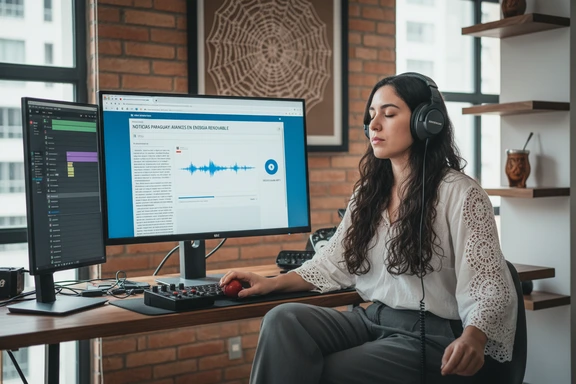
Paraguayan Media & Asunción Broadcasting
Campaigns for Tigo and Personal, bulletins for Radio Ñandutí and Monumental 1080, Itaipu promos and Mercosur corporate reads. A native es-PY cadence hits the ear the way an Asunción newsreader does — and the dialect travels with the diaspora to Buenos Aires, São Paulo and Miami.
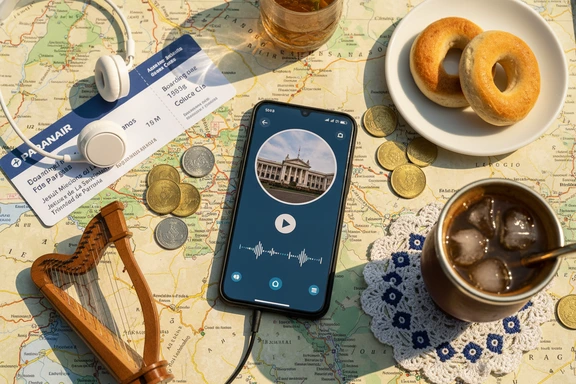
Jesuit Missions & Itaipu Tourism
Audio guides for the UNESCO Reducciones at Trinidad and Jesús de Tavarangüe, the Itaipu dam tour from Ciudad del Este, walking routes through the Asunción historic centre and Encarnación beaches on the Paraná. The native voice pronounces Guaraní place names (Ypacaraí, Mbaracayú, Aregua) the way locals do.
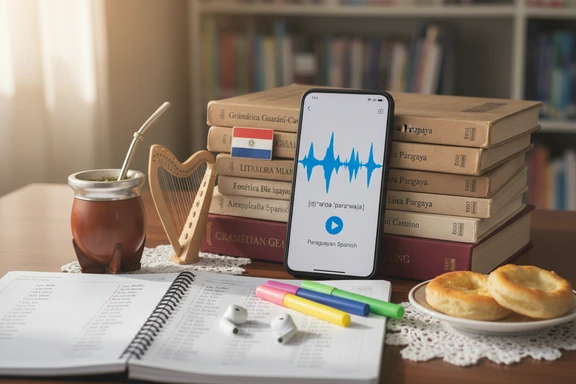
Voseo & Jopara Learning
Train your ear on the Southern Cone voseo conjugation ("vos tenés", "vos sabés"), conservative /ʎ/ in "lluvia" and code-switching with Guaraní loanwords (mitã, jagua, karu, hendy). Great prep for a Mercosur posting, a Peace Corps year in Paraguay or a linguistics elective on bilingual registers.
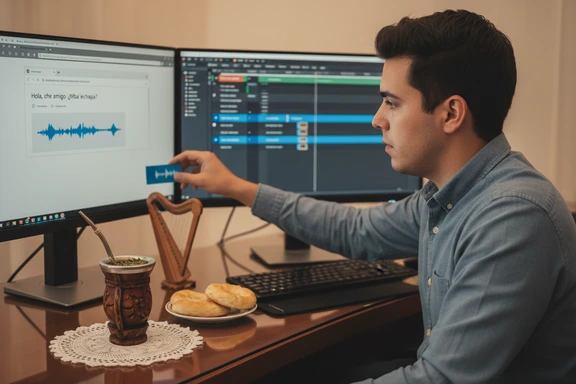
Harp, Polca & Guarania Podcasts
Narrate intros, liner notes and social captions for arpa paraguaya concerts, polca paraguaya playlists and guarania ballad drops. From José Asunción Flores to Luis Alberto del Paraná, the voice lands every Ypacaraí, every Recuerdos and every mate-side podcast with a native cadence.
Paraguayan Spanish TTS — How It Works
Three steps to generate an es-PY reading online. No software, no signup.
Paste or type your text
Up to 1,000,000 characters. Mix Spanish and Guaraní — "¿Cómo estás, mitã?" — the speaker handles both registers.
Choose a voice
Pick Tania (female) or Mario Rojas (male). Adjust speed and pitch to fine-tune the reading.
Listen & download free
Convert, preview, export MP3, WAV or FLAC. First 1,000 characters free.
Frequently Asked Questions — Paraguayan Spanish TTS
All three belong to the Southern Cone voseo cluster — "vos tenés" in place of "tú tienes", the "che" particle, shared Río de la Plata rhythms. The signature of this variant is the Guaraní substrate: a co-official indigenous language spoken by roughly 90 percent of the population, which keeps /ʎ/ alive in "lluvia" (where Buenos Aires says /ʃ/), supplies everyday loanwords (mitã, jagua, karu, tereré), and produces Jopara code-switching mid-sentence. If a speaker drops "mitã" or "jagua" inside Spanish, that is Paraguay — not the Río de la Plata.
Two native es-PY neural speakers: Tania (female) and Mario Rojas (male). Both carry the central Asunción register also heard on Radio Ñandutí, Monumental 1080 and in Ciudad del Este and Encarnación media — the register a local listener recognises as home.
Yes. Write a line like "¿Cómo estás, mitã? Vamos al tereré, che" and Tania or Mario Rojas will slide from Spanish into Guaraní loanwords the way bilingual speakers do. Common items — mitã (child), jagua (dog), karu (to eat), tereré (cold mate), chipa, mbejú — are handled inside the Spanish sentence flow, no markup required.
No — SpeechGen is text-to-speech, not translation. For a Guaraní-to-Spanish translation use a dedicated service (Google Translate supports Guaraní, and several Mercosur academic tools exist), then paste the Spanish output here — keeping loanwords like mitã, tereré and chipa intact — to hear it read in the Asunción voice.
Yes. Free MP3 download — no signup, no watermark. Paste your text, pick Tania or Mario Rojas and export. WAV, FLAC and OGG are also available. First 1,000 characters are free.
Pick Tania or Mario Rojas and export the reading in seconds. Need another Spanish variant? Visit the main Spanish page.