Mexican Spanish Text to Speech
20 Mexican Spanish AI voices — neutral CDMX accent. Free MP3.
Mexican TTS — 20 es-MX Voices, Neutral CDMX to Regional
This Mexican Spanish TTS page turns any script into a clean neutral CDMX reading — the register Latin American dubbing studios treat as the industry standard. Twenty native es-MX neural speakers, led by Jorge, Jazmin, Cecilio and Nuria, deliver full seseo, Nahuatl loanwords and warm Mexico City cadence. This is mexico tts built for authentic Mexican output — paste, pick a speaker, download a free MP3, no signup.
Creators reach for this mexican accent generator — a dedicated text to speech mexican accent engine — when a Castilian reading would feel European. Feed the system "ahorita", "mande" or "¿qué onda?" and the voz mexicana handles the diminutives and Nahuatl loanwords (chocolate, aguacate, cacahuate) without stumbling. The 20-speaker es-MX catalogue covers everything from a Latin-American ad dub or Netflix-style narration to neutral CDMX training content, a videogame character or a long-form audiobook. For Castilian, Argentine or Colombian variants see our main Spanish page.
- 20 native es-MX speakers — Neural tier
- Neutral CDMX accent — Latin American dubbing standard
- Full seseo & Nahuatl loanword support
- Download MP3, WAV, FLAC, OGG
- Free — 1,000 characters, no signup
Mexican Spanish Voices — CDMX Speakers
Click to preview · 4 featured es-MX speakers (20 total)
Four featured Mexican Spanish speakers from a roster of 20 es-MX neural voices. For Castilian, Argentine, Colombian or wider Latin American coverage, browse the voices page or visit the main Spanish page.
Mexican vs Castilian Spanish — Pronunciation Comparison
Same word, two readings. Hear how the Mexican accent reshapes familiar Spanish sounds against a Castilian baseline.
What Makes Mexican Spanish Sound Unique
- Nahuatl loanwords — centuries of contact with Nahuatl deposited everyday words like chocolate, aguacate, cacahuate, tomate, chile, coyote. Mexican pronunciation preserves the original -atl shape more faithfully than Iberian Spanish.
- Seseo — z and soft c collapse to /s/, so zapato reads /saˈpato/, not the Castilian /θaˈpato/. The shift defines Latin American Spanish and powers every neutral CDMX reading.
- Neutral CDMX standard — Mexico City Spanish is the reference register for Latin American dubbing. Clear consonants, moderate speed, low regional load — the reason Hollywood ships Spanish voiceovers from Mexican studios.
Mexican Conventions — Peso, Date Format & Number Style
Local formatting rules shift how the same numbers read aloud. Four Mexican conventions worth feeding the voice correctly:
Numbers
2,500,000.00 — comma for thousands, dot for decimals (US-style, not Iberian).
Currency
$1,500.00 → "mil quinientos pesos". Peso mexicano uses the MXN $ symbol.
Dates
15/04/2026 — day-first; MM/DD/YYYY also appears due to US influence. Spell the month when clarity matters: "15 de abril de 2026".
Time
3:30 PM — 12-hour AM/PM common in daily speech; 24-hour used in timetables and formal writing.
What Can You Do with a Mexican AI Voice?
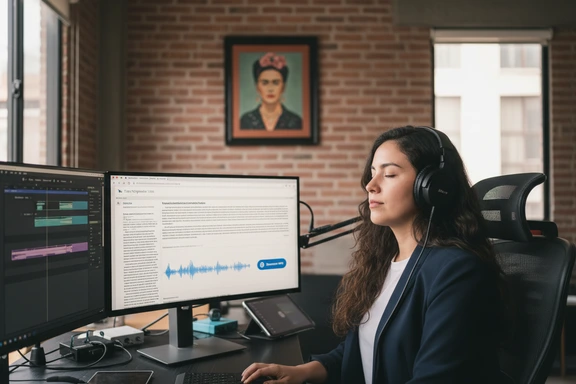
Local Marketing & Mexican Voice Over
Voice Mexican campaigns from CDMX to Monterrey. OXXO, Telcel or Bimbo — a neutral voz masculina mexicana reads commercials with warm, trusted cadence that generic Latin American Spanish cannot fake.
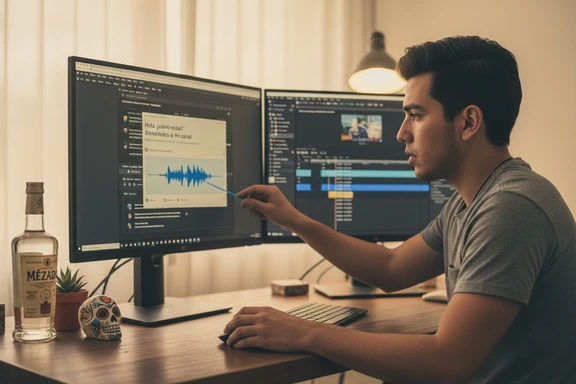
Telenovela & Dubbing Voiceover
CDMX Spanish is the industry standard for Latin American dubbing. Generate sample reads, draft scripts and dialogue mockups in studio-grade neutral Mexican — a mexican voice generator tuned for telenovela and animation work.
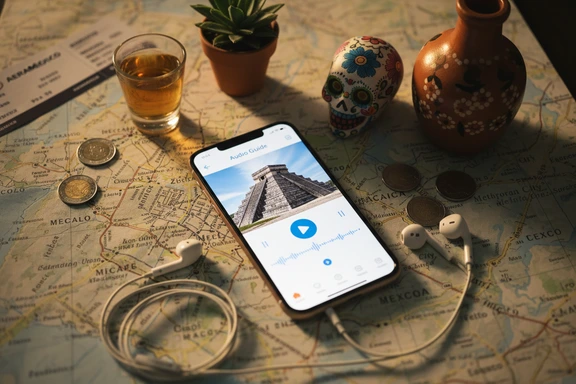
Mexico Travel Narration
Build audio guides for Tulum, Mexico City, Oaxaca and Yucatán — yucateco neighbourhoods, mezcal tastings, mariachi venues. The mexican accent adds authenticity a Castilian reading cannot match.
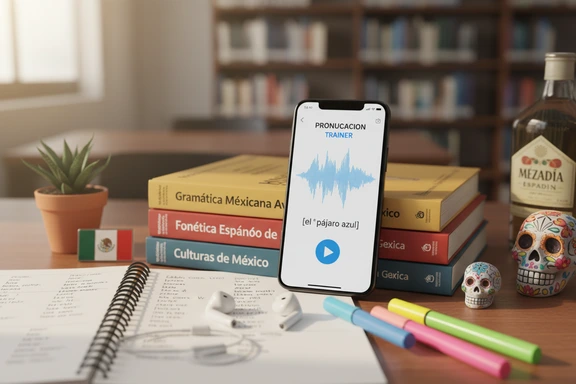
Spanish Learning — Mexican Variant
Practise the most-heard Spanish variant. Train on Nahuatl loanwords (chocolate, aguacate), diminutives (ahorita) and clear CDMX consonants — the register every Spanish learner hears first on YouTube and telenovelas.
Mexican Spanish TTS — How It Works
Three steps to generate a neutral CDMX reading online. No software, no signup.
Paste or type your text
Paste up to 1,000,000 characters. Mexican diminutives like "ahorita" and Nahuatl loanwords are read natively.
Choose a voice
Pick Jorge, Jazmin, Cecilio or Nuria — native es-MX speakers. Adjust speed and pitch.
Listen & download free
Convert, preview, export MP3, WAV or FLAC. First 1,000 characters free.
Frequently Asked Questions — Mexican Spanish TTS
Mexican Spanish uses full seseo (z and soft c collapse to /s/), retains a richer layer of Nahuatl loanwords (chocolate, aguacate, cacahuate), favours "-ito/-ita" diminutives ("ahorita", "poquito") and drops the Castilian distinction between "vosotros" and "ustedes" — Mexicans use "ustedes" for every plural you. Castilian (es-ES) keeps the /θ/ theta sound, uses "vosotros" in informal plurals and has a flatter Iberian melody.
CDMX Spanish is the reference register for Latin American dubbing. Clear consonants, moderate speed, low regional load — Hollywood studios ship the majority of Spanish-language voiceovers from Mexico City precisely because the accent travels cleanly across every Latin American market. A mexican ai voice delivers that same neutral CDMX standard.
Yes. Feed the system "ahorita", "mande", "¿qué onda?", "órale" or "güey" and the voz mexicana delivers them with native stress and vowel placement. Nahuatl loanwords — chocolate, aguacate, cacahuate, tomate, chile, coyote, tianguis — read with the original -atl shape Mexican speakers preserve. The same 20 speakers run e-learning narration, corporate videos and broadcast ad reads on one es-MX catalogue.
Twenty es-MX Neural speakers. Four are featured — Jorge and Cecilio (male), Jazmin and Nuria (female) — all with full neutral CDMX delivery. For Castilian, Argentine or Colombian variants see our main Spanish TTS page.
Yes — free MP3, no signup, no watermark. WAV, FLAC and OGG also available. Every mexican spanish text to speech export carries a commercial licence on every tier — suitable for mariachi jingles, telenovela mockups or a full Mexican dubbing session.
Pick Jorge, Jazmin, Cecilio or Nuria and export a neutral CDMX reading in seconds. Need another variant? Visit the main Spanish page.